
News & Insights
How Industrial Plugs Are Made & Checked
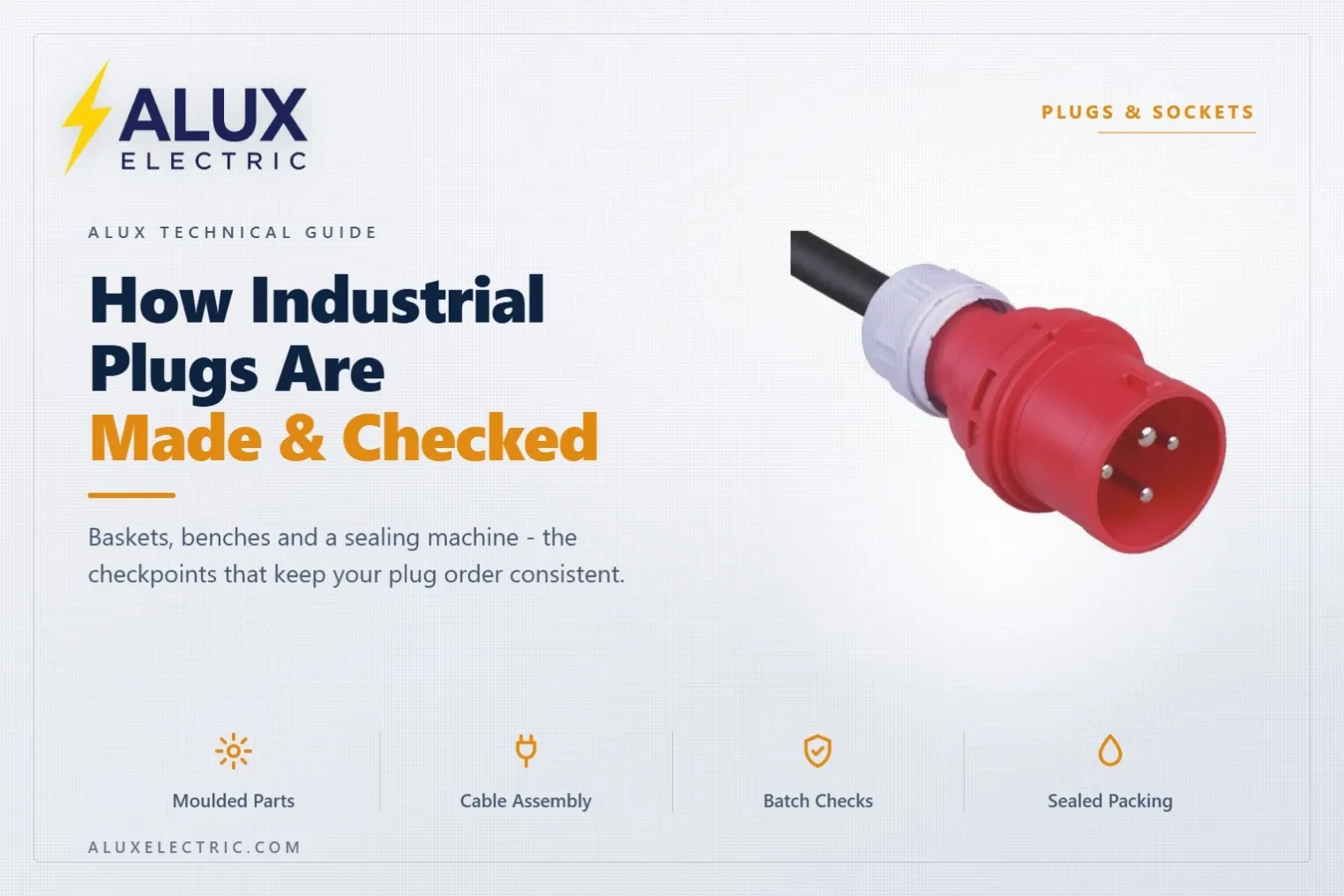
Baskets, assembly benches, a sealing machine - what an industrial plug order passes through on the line, and six checkpoints to confirm before it ships.
Baskets, assembly benches, a sealing machine - what an industrial plug order passes through on the line, and six checkpoints to confirm before it ships.
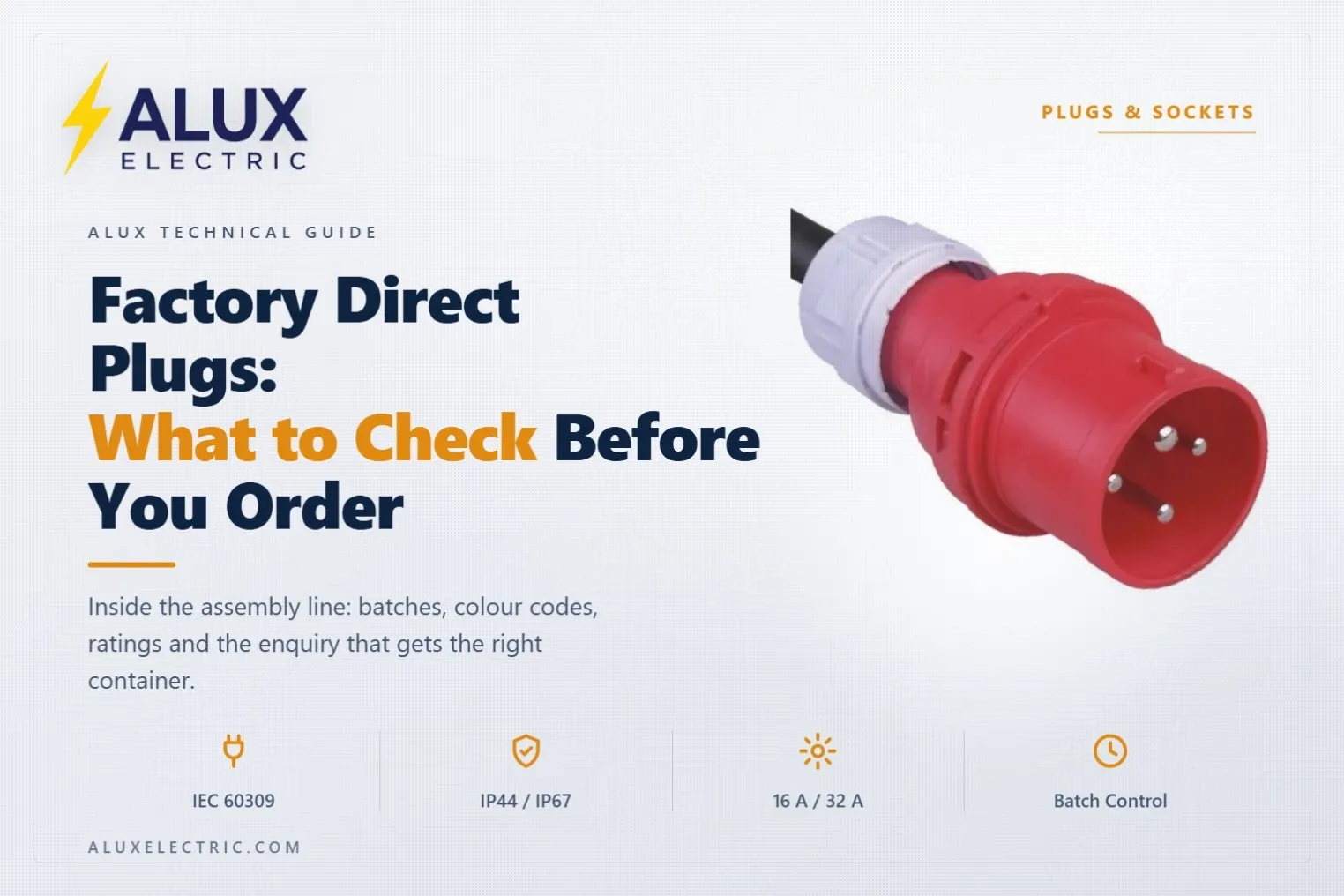
From automatic assembly to batch packing: what factory-direct industrial plug production looks like, and the checks that protect your order.
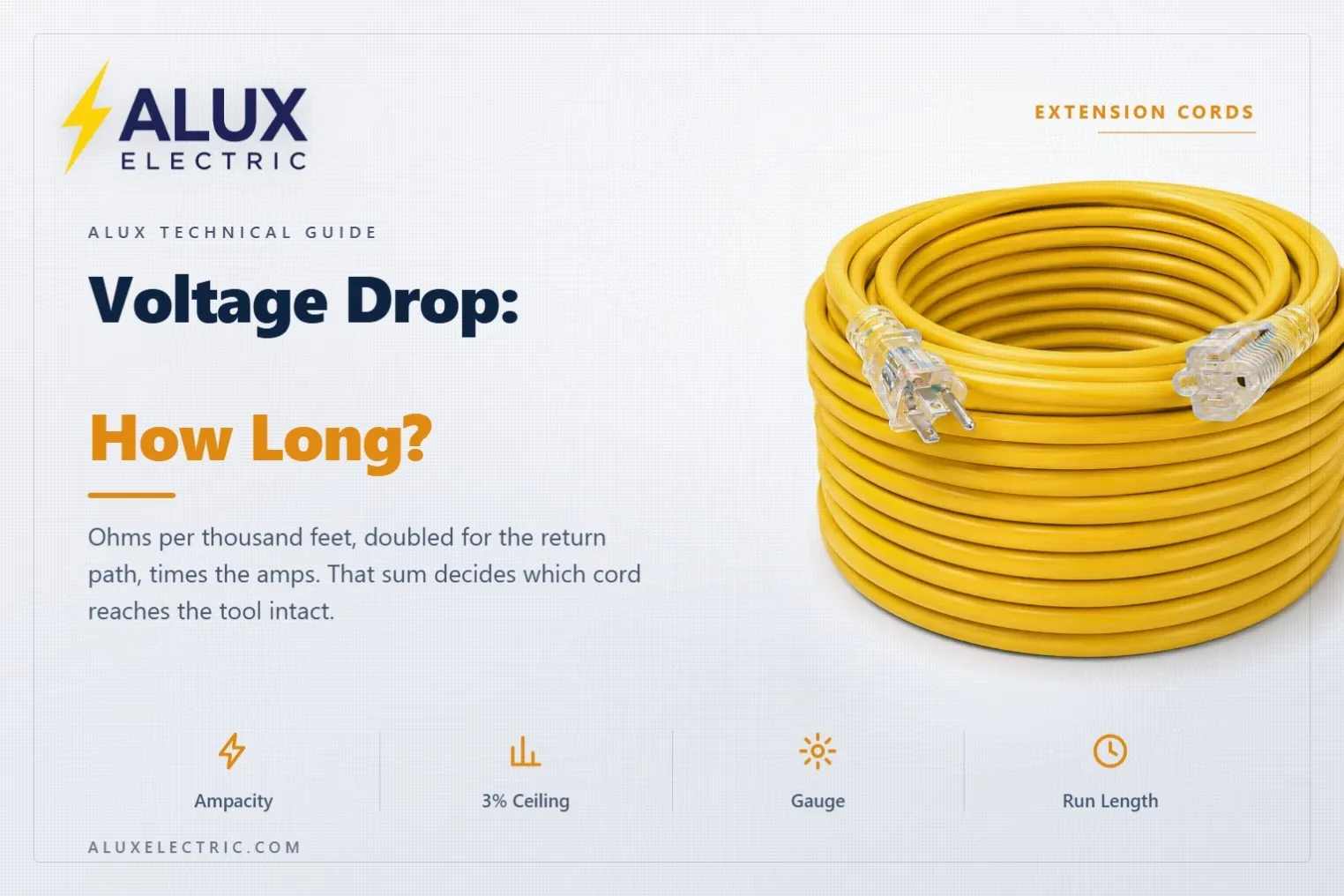
A 100 ft 12/3 cord loses about 5% at 15 A, and the tool at the end pays for it. Work the run length out before the order, not after.
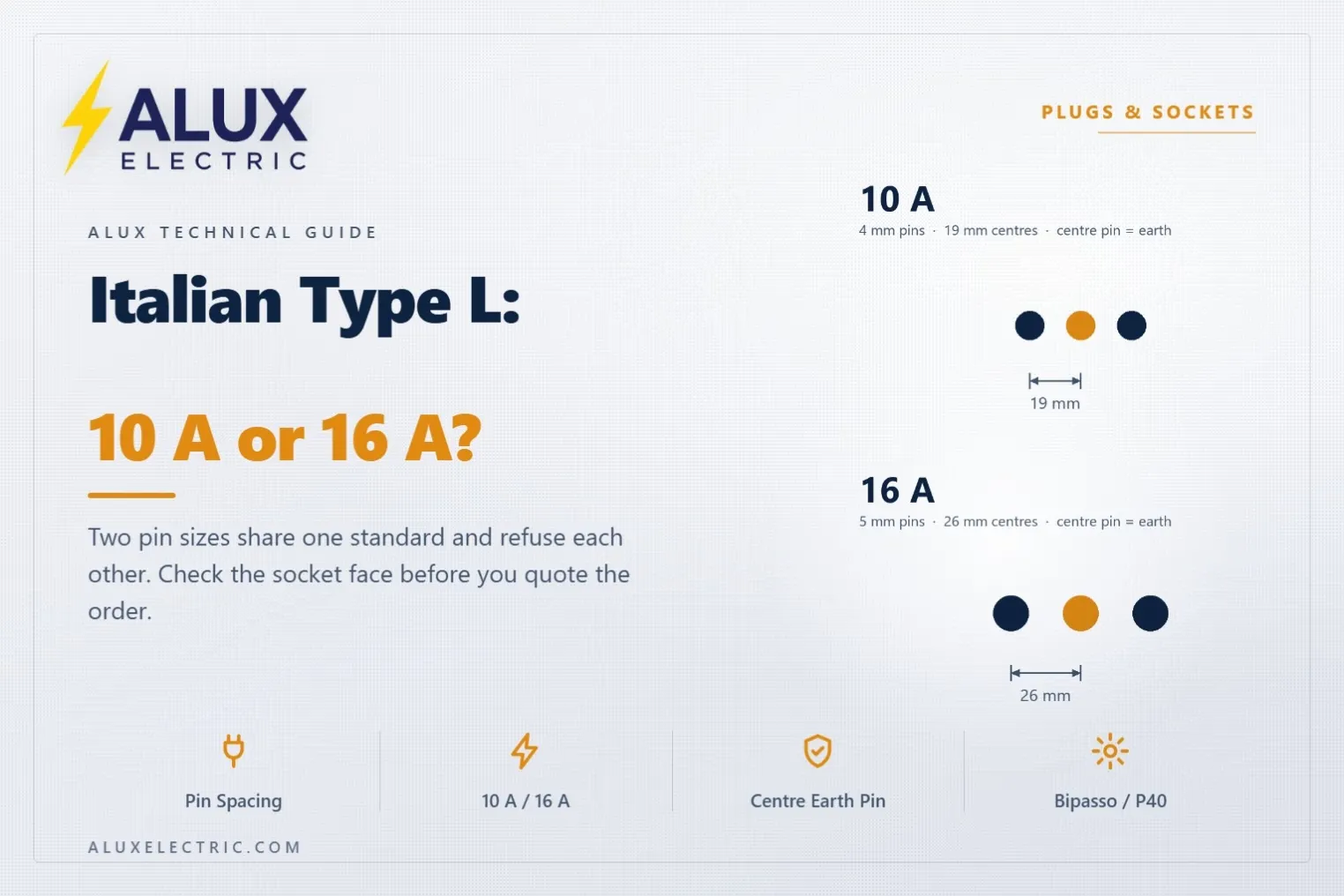
Two pin sizes share one standard and refuse each other. Check which Italian socket face takes which plug before you quote the order.
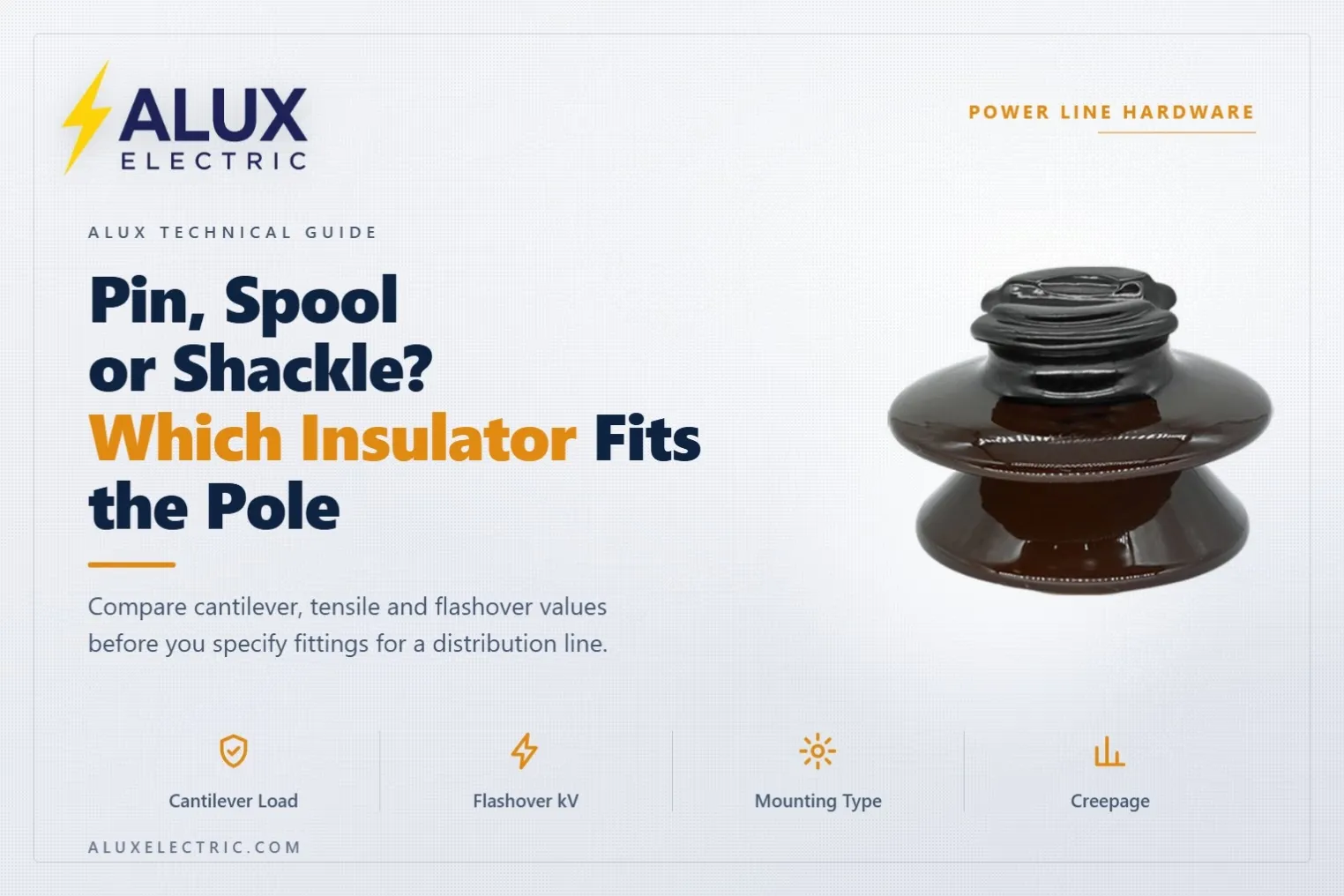
One pole, three insulator families. Match cantilever strength, flashover level and mounting hardware before you commit a container.
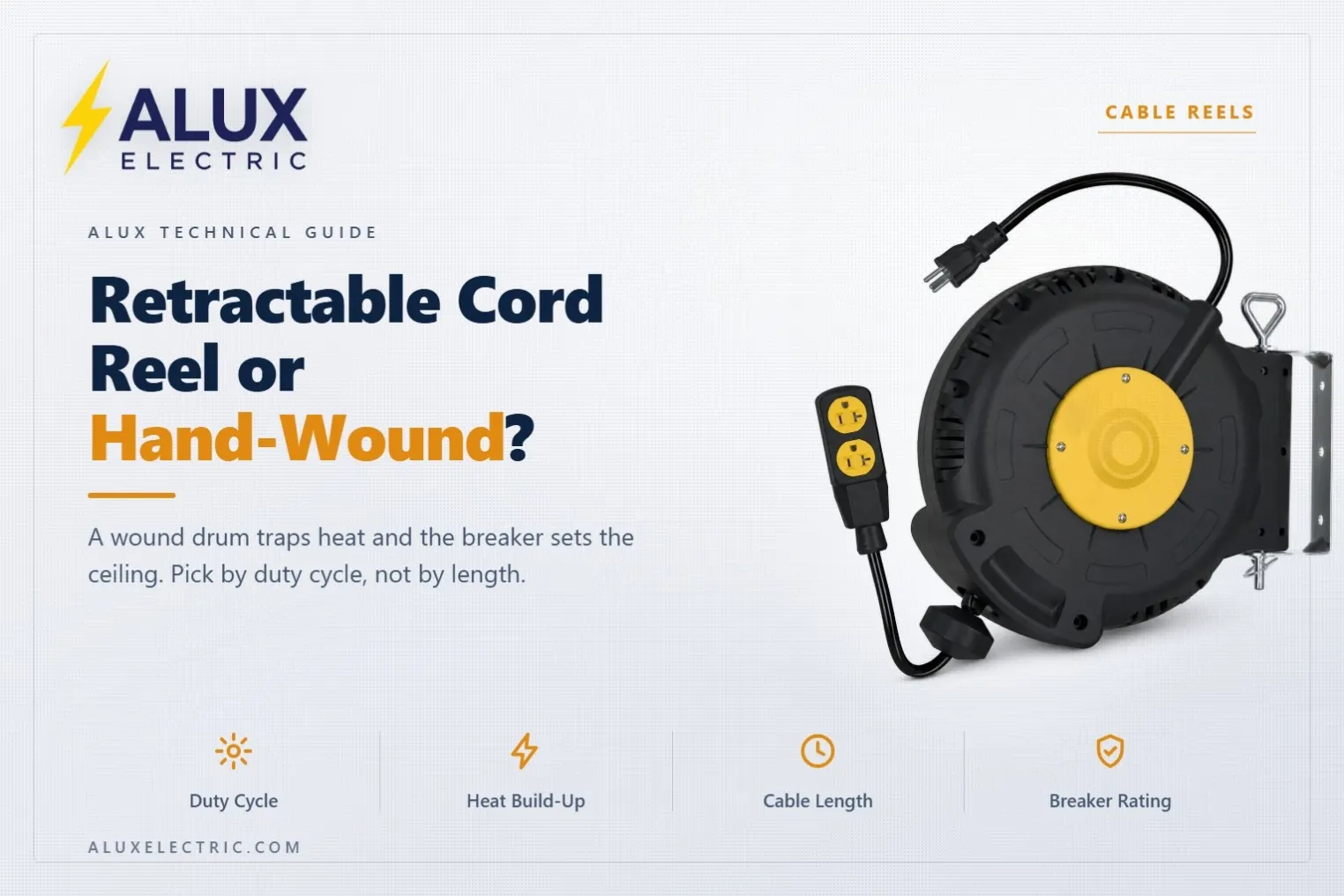
A coiled drum traps heat, so a 10 AWG reel is not a 10 AWG run. Match reel type, duty cycle and breaker rating before you commit a programme.

TT-30, 14-50, L5-30 and L14-30 all say 30 or 50 amps but not the same voltage. Match the pedestal face first, then the pass-through rating.
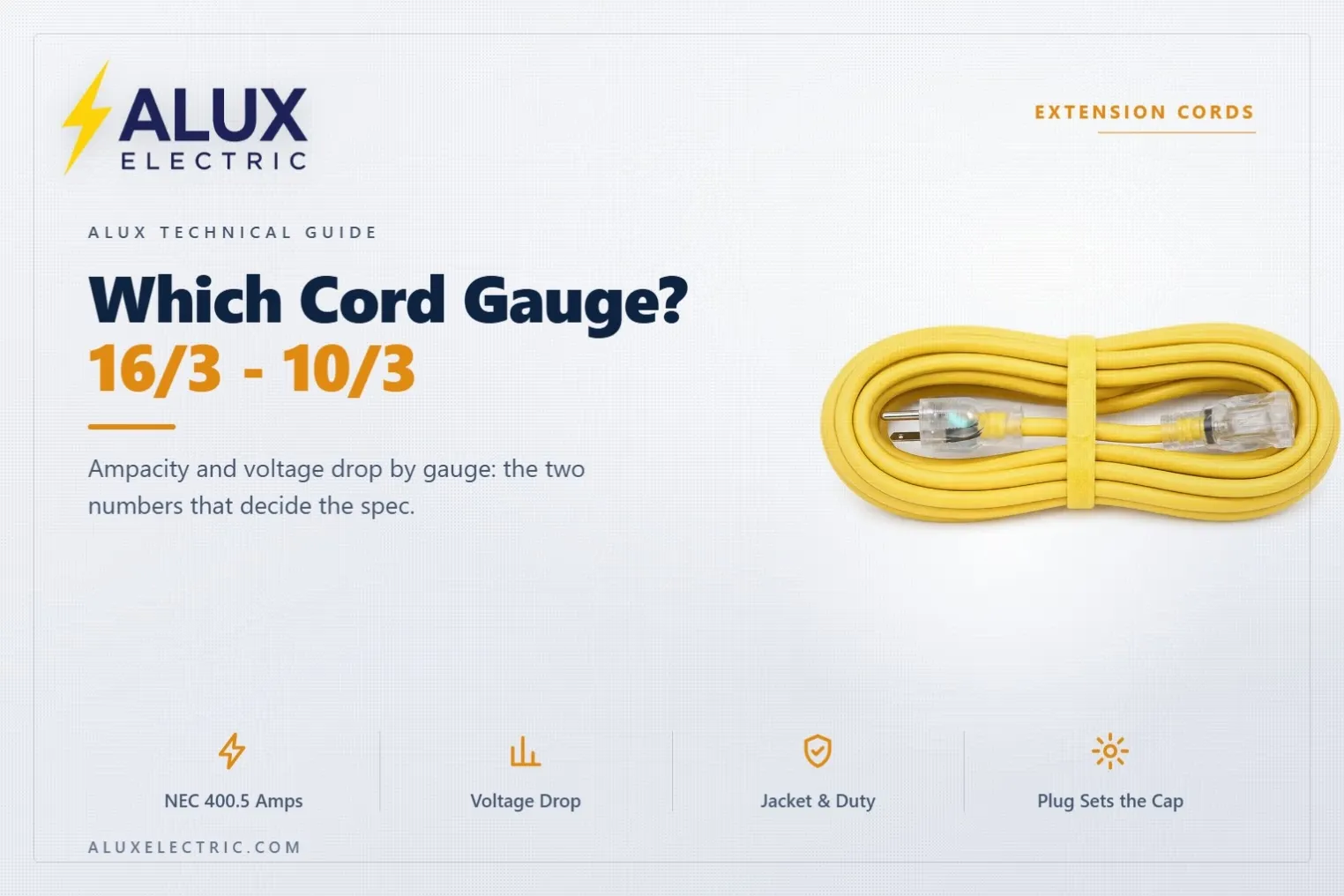
NEC 400.5(A)(1) rates 16/3 at 13 A and 12/3 at 25 A. Match gauge to tool load and cord run length, or voltage drop starves the motor at the far end.
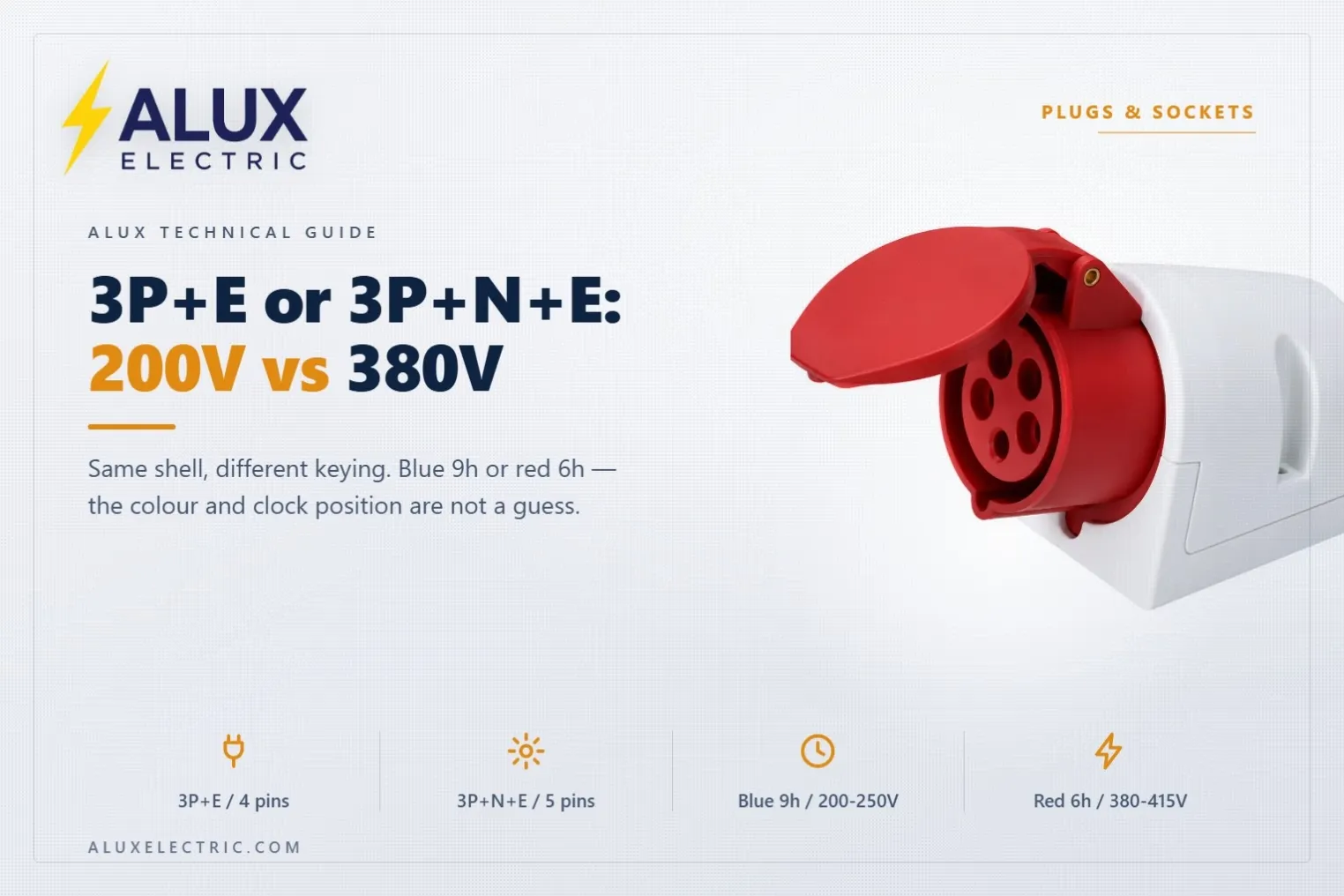
3P+E vs 3P+N+E: same shell, different keying. 200-250 V three-phase is blue 9h, 380-415 V is red 6h. Match pole count and keyway so the plug mates on the first try.
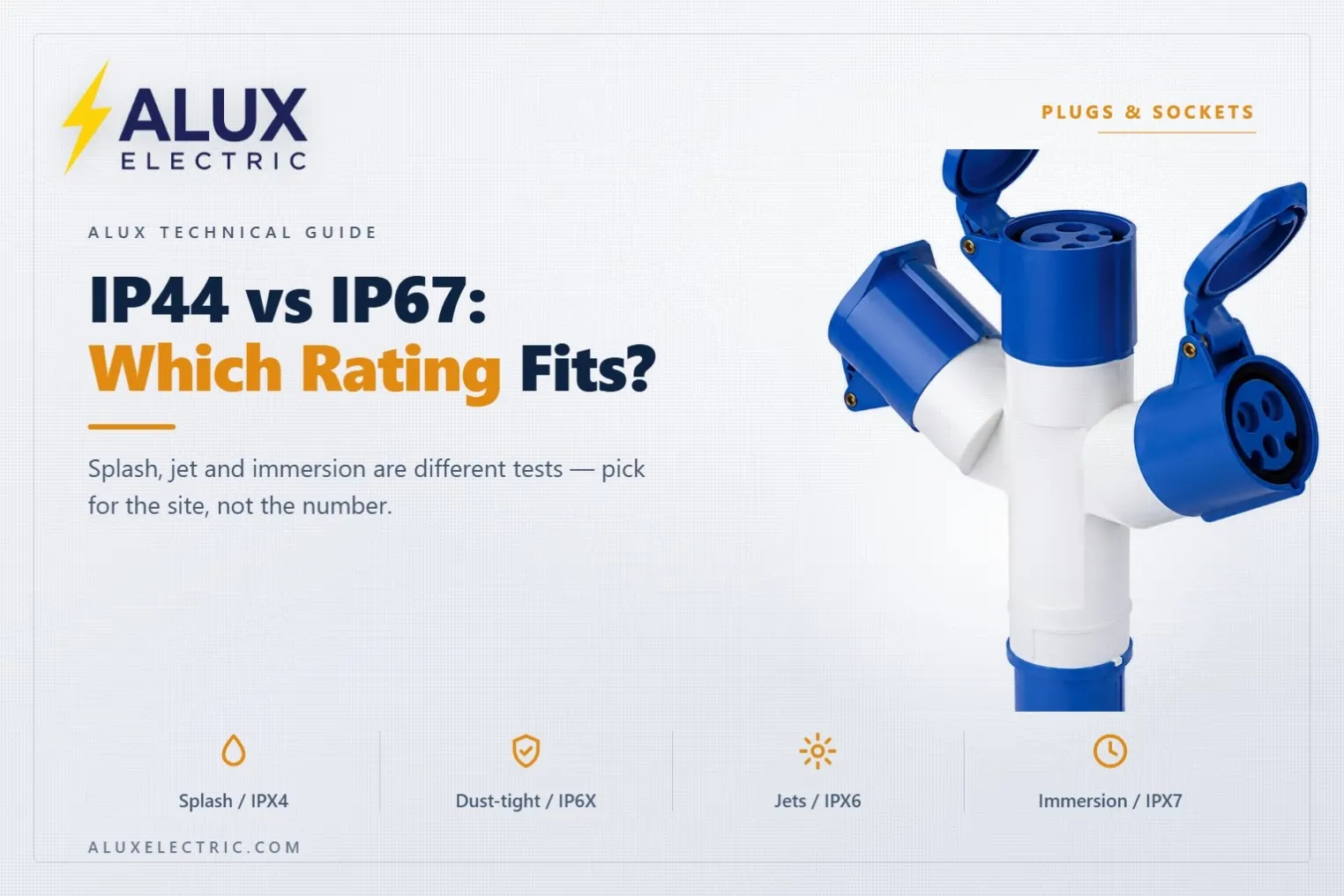
IP44 vs IP67 for industrial plugs and sockets: what each test proves, where IP44 is enough, and when IP67 pays off. Match the rating to the site, then order.